
Hockey skates
Snug and supportive, with the heel locked in place. Sharpen before the first session.
Equipment
Hockey gear can feel complicated at first. This plain-language checklist makes the first fitting easier.
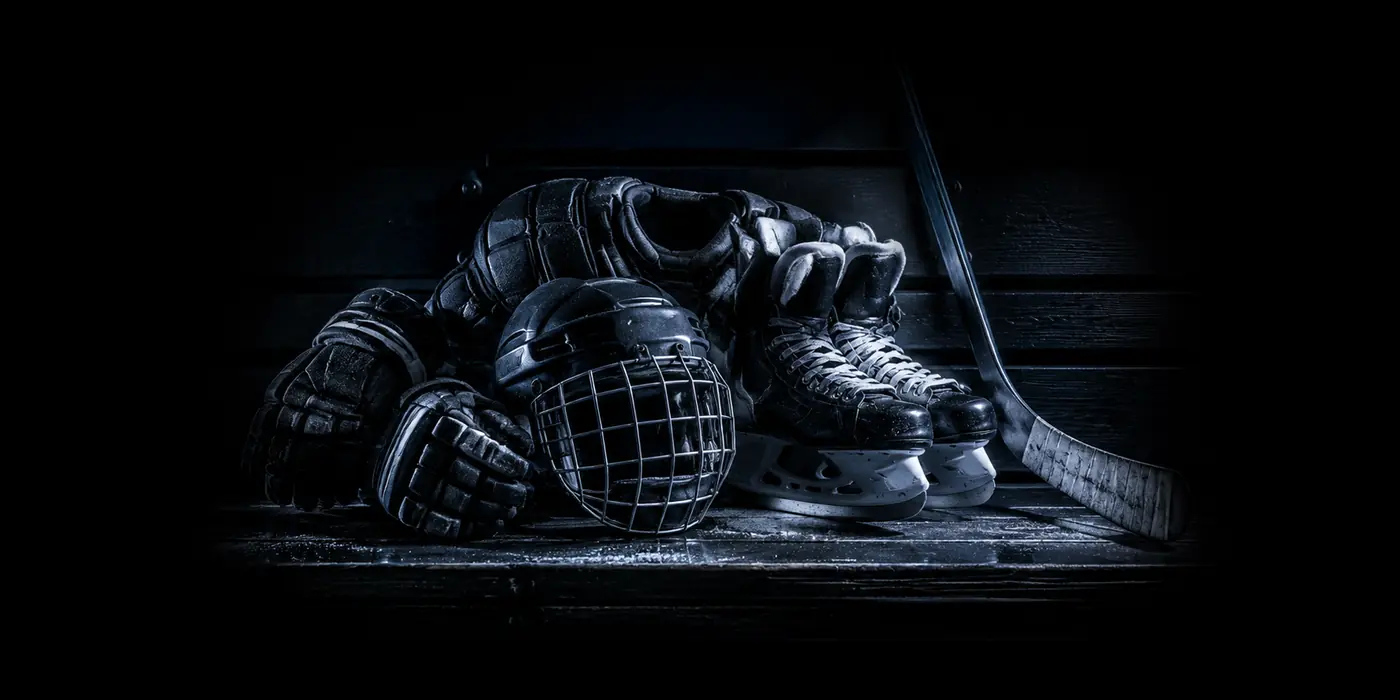
Required on-ice equipment
Please contact us for equipment requirements. You do not need top-of-the-line gear to begin, but protective equipment must fit correctly and meet the program and facility requirements.
Snug and supportive, with the heel locked in place. Sharpen before the first session.
Properly fitted, within its certification life and worn with the chin strap fastened.
A compatible CSA-approved cage or full shield; confirm the final program requirement.
Properly fitted and compliant with the program’s required certification standard.
Chest, shoulders, upper back and arms covered without restricting normal movement.
Secure when the arm bends and meeting the glove and shoulder protection without gaps.
Comfortable grip and finger movement with protection across the hands and wrists.
Protection for hips, thighs, kidneys and tailbone; suspenders are optional if helpful.
A secure jock or jill with appropriate cup or pelvic protection.
Covering knee and shin, sized to sit correctly beneath hockey socks.
Hockey socks secured over shin guards and a jersey large enough to cover all upper-body pads.
Correct shooting side, useful beginner flex and suitable length before it is cut.
Recommended; confirm whether it is required by the program or governing rules.
Large enough for the full kit, ventilated where possible and clearly identified.
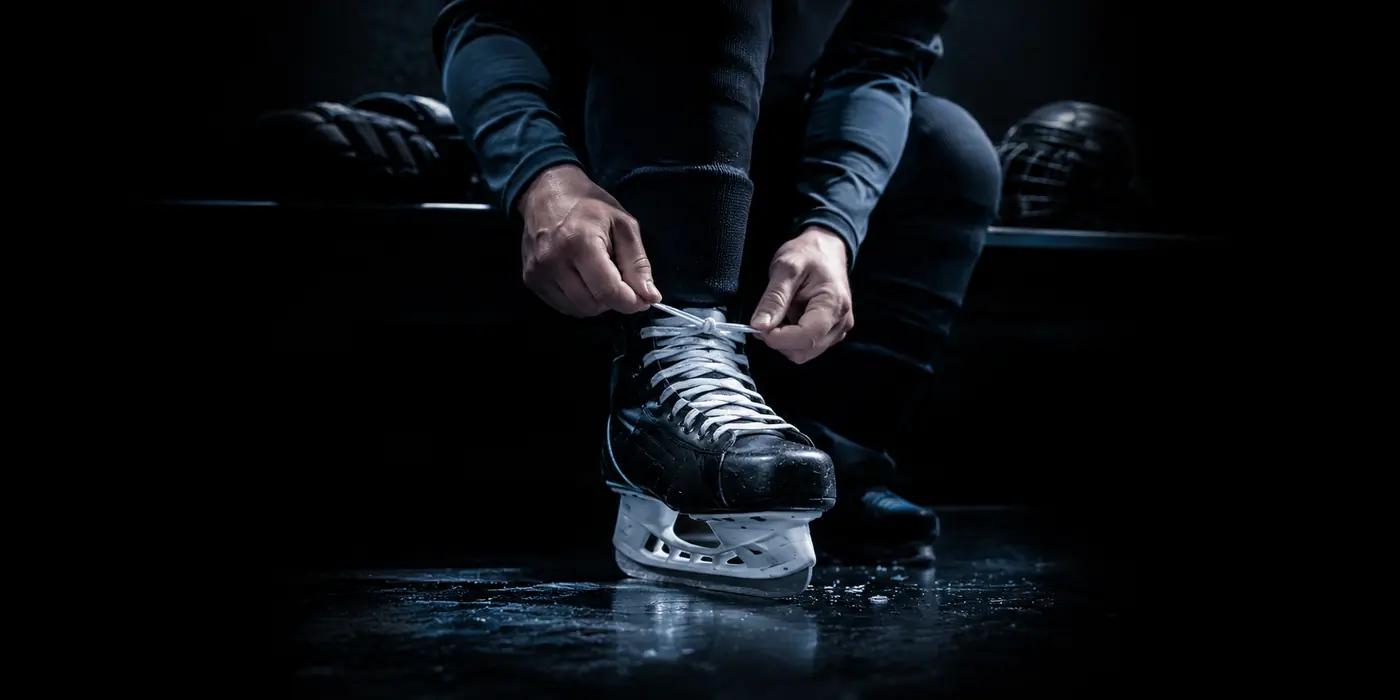
Before you hit the ice